
Semplice Web · Snapshot
Led product design for Semplice’s visual editor and core website-building experience, shaping editor systems, typography, symbols, navigation, and interaction patterns for designers worldwide. Translated WP complexity into a flexible design tool that helps creatives build precise, expressive portfolios without rigid templates, generic layouts, or technical friction.
Deep Dive
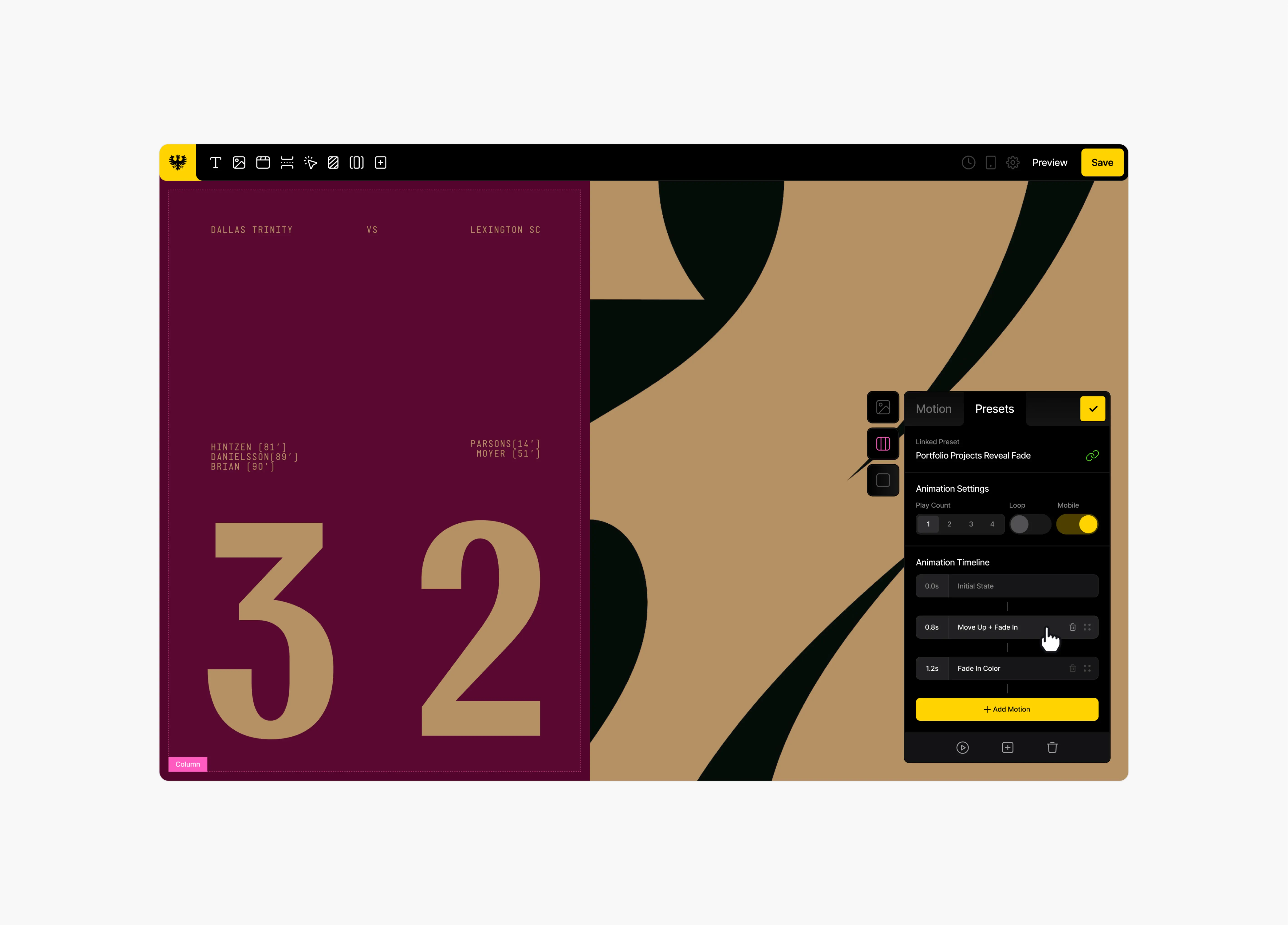
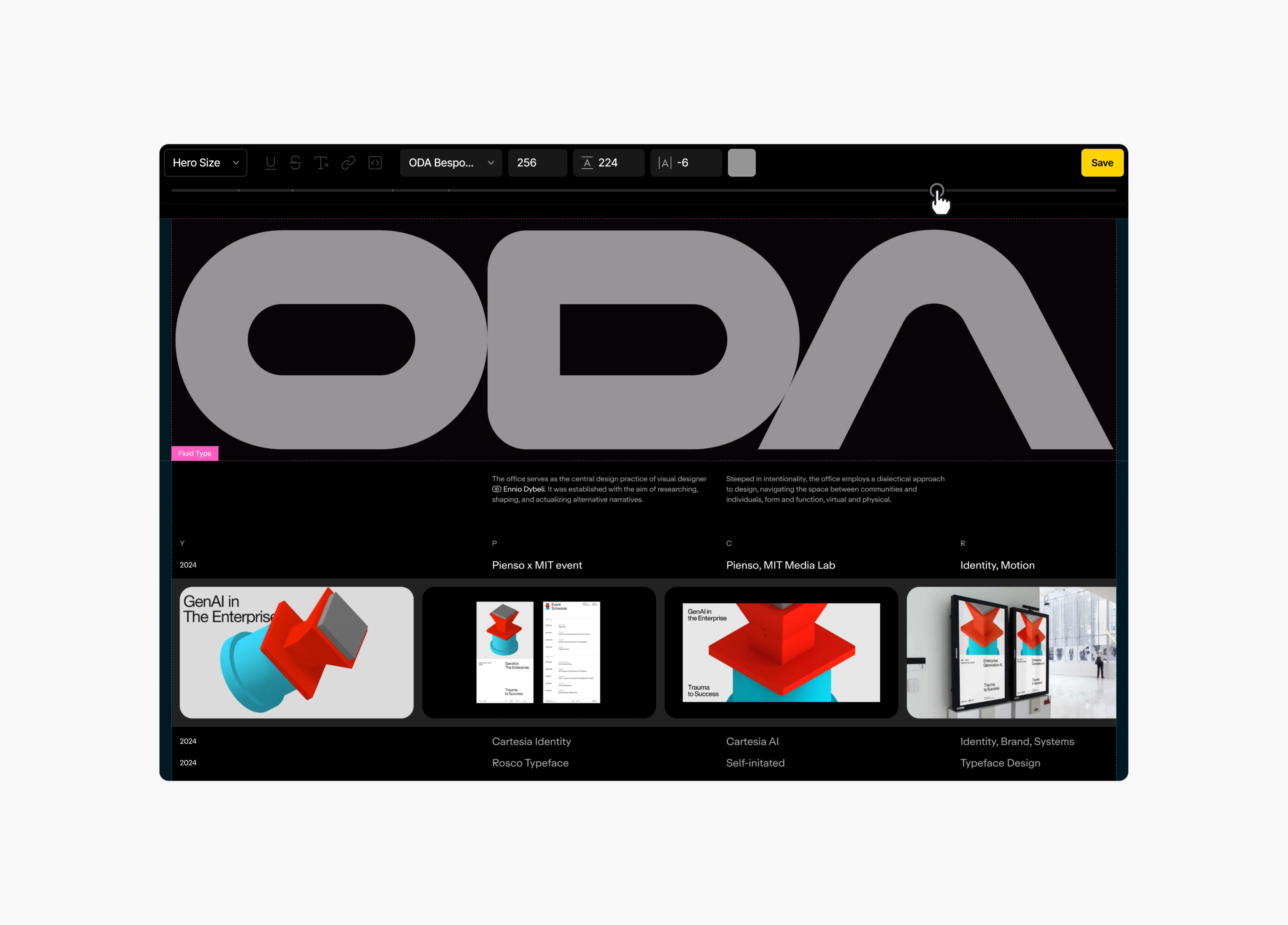
Designing a portfolio website often means choosing between restrictive templates and complex content management systems. One limits creative control, the other adds technical overhead. For designers, that tradeoff can get in the way of presenting work with the precision and individuality every project deserves. Semplice approaches this differently, giving creatives a visual editor with direct control over layout, typography, structure, and animation/interaction.
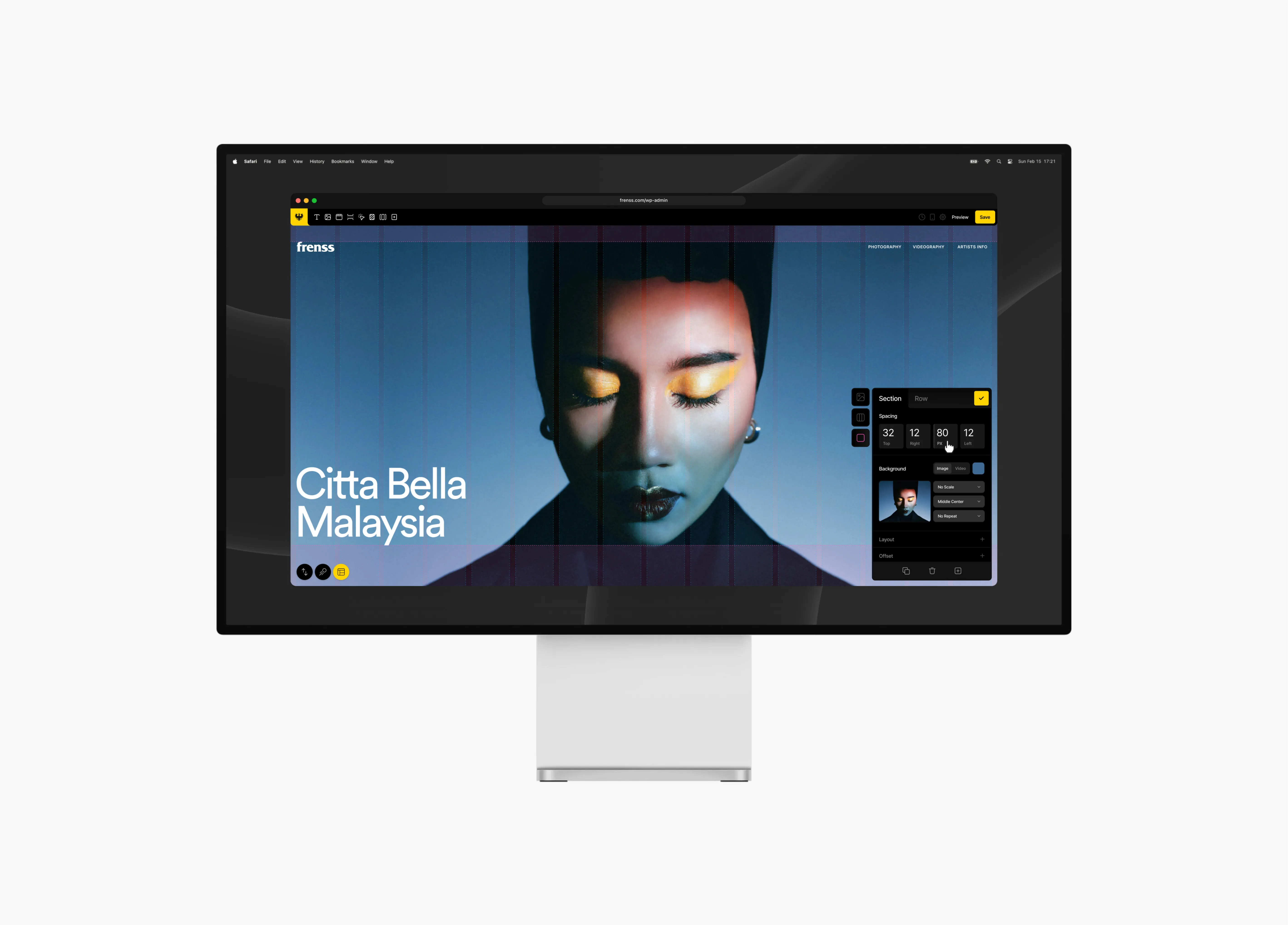
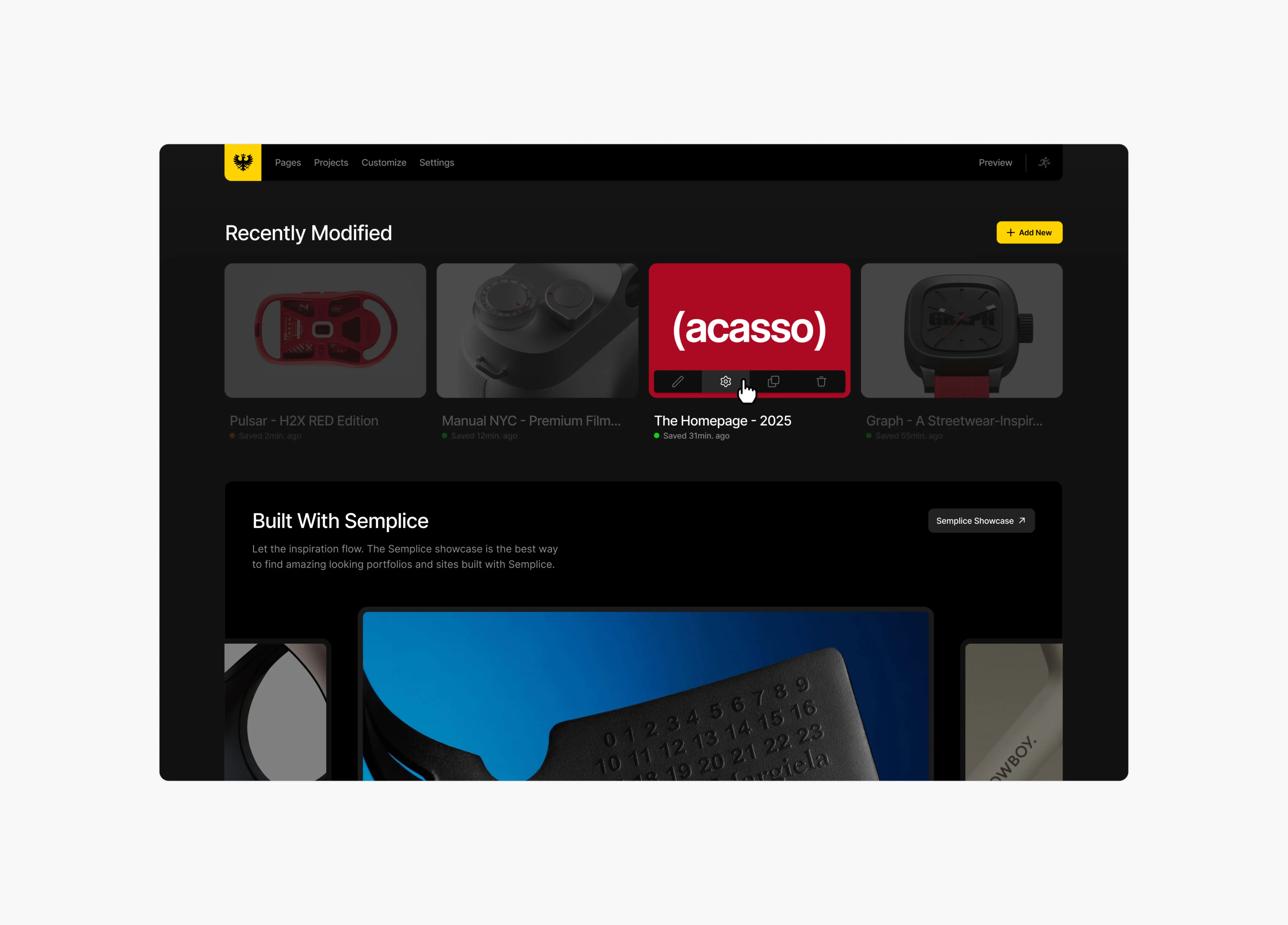
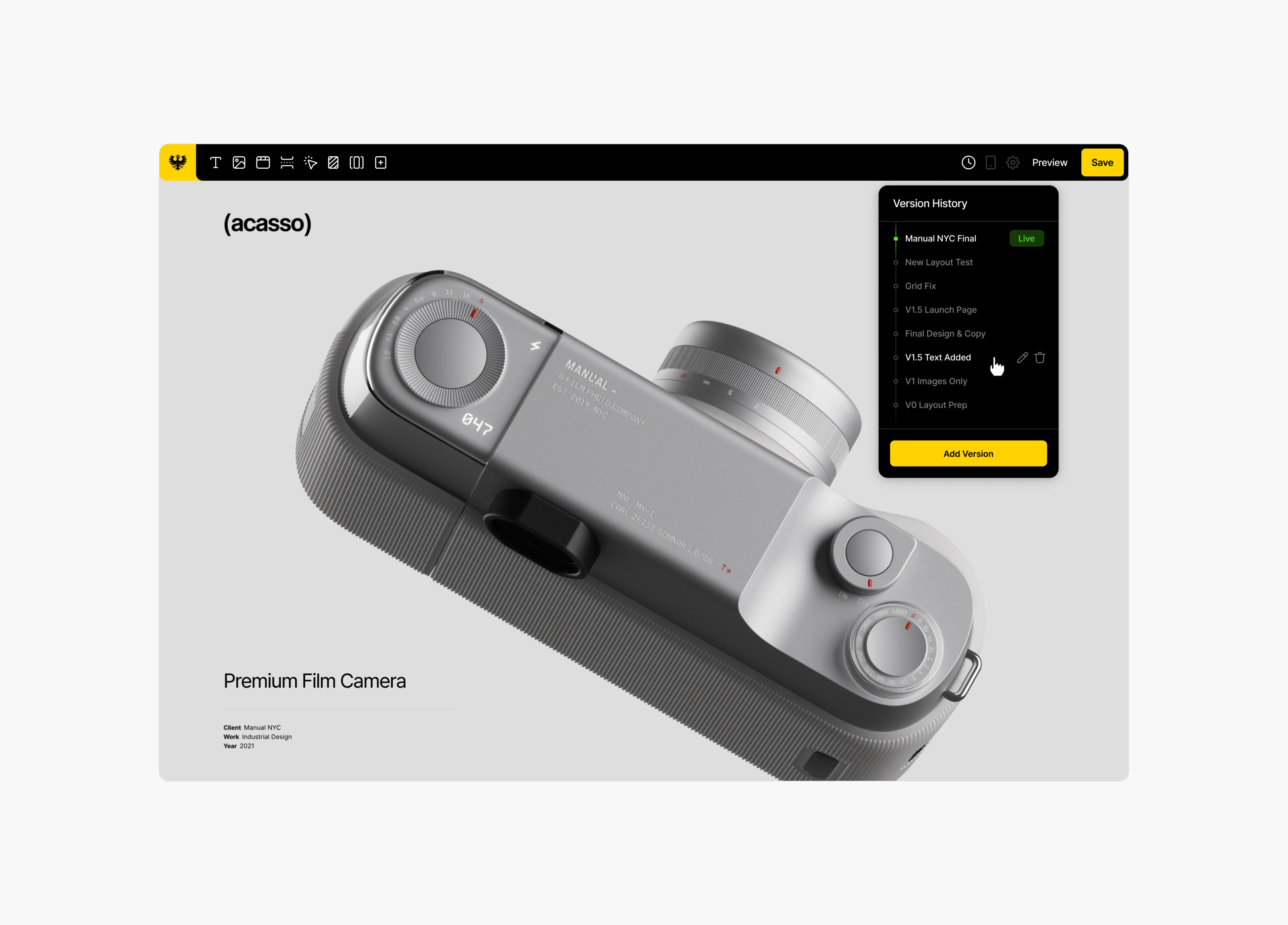
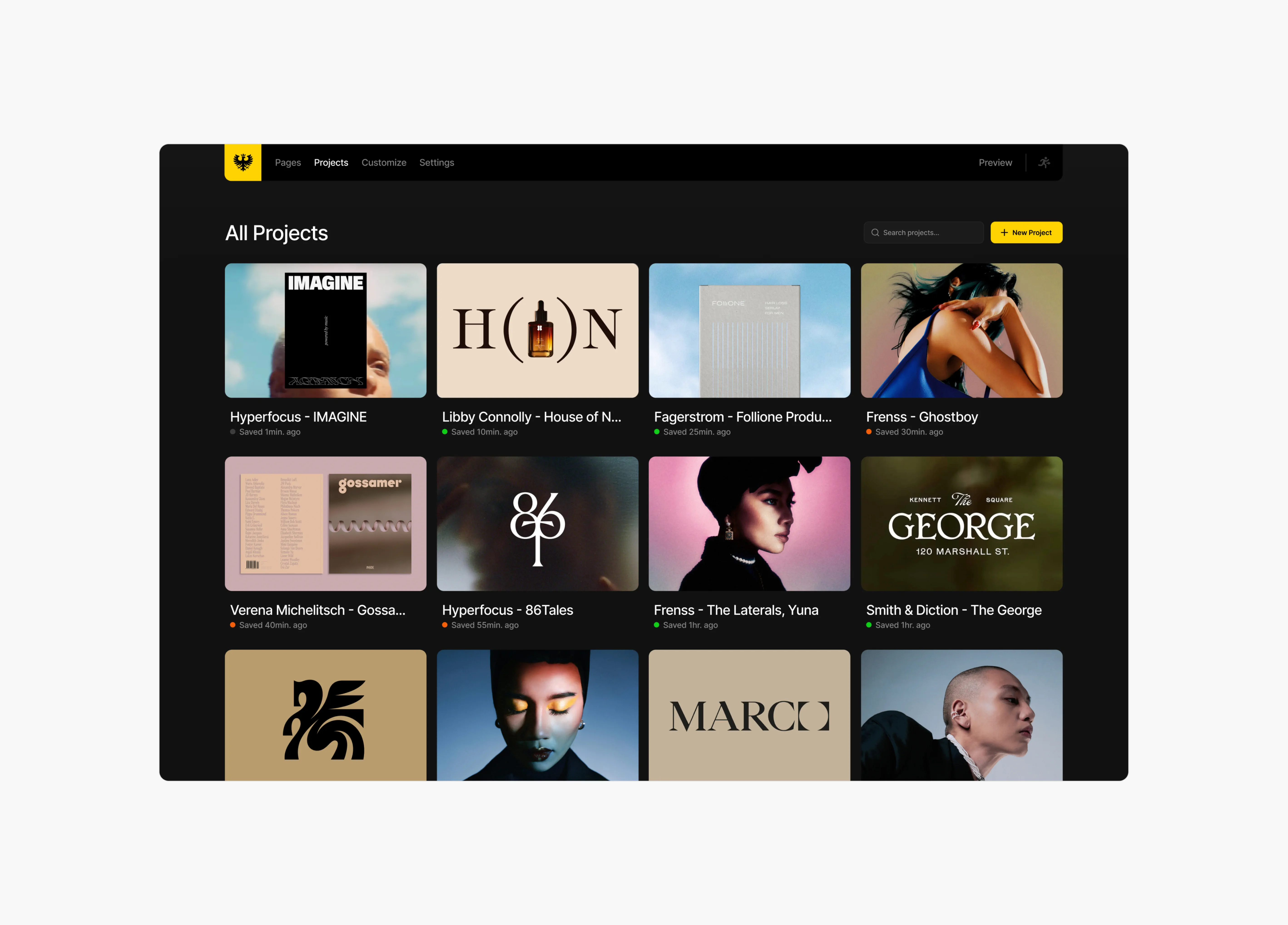
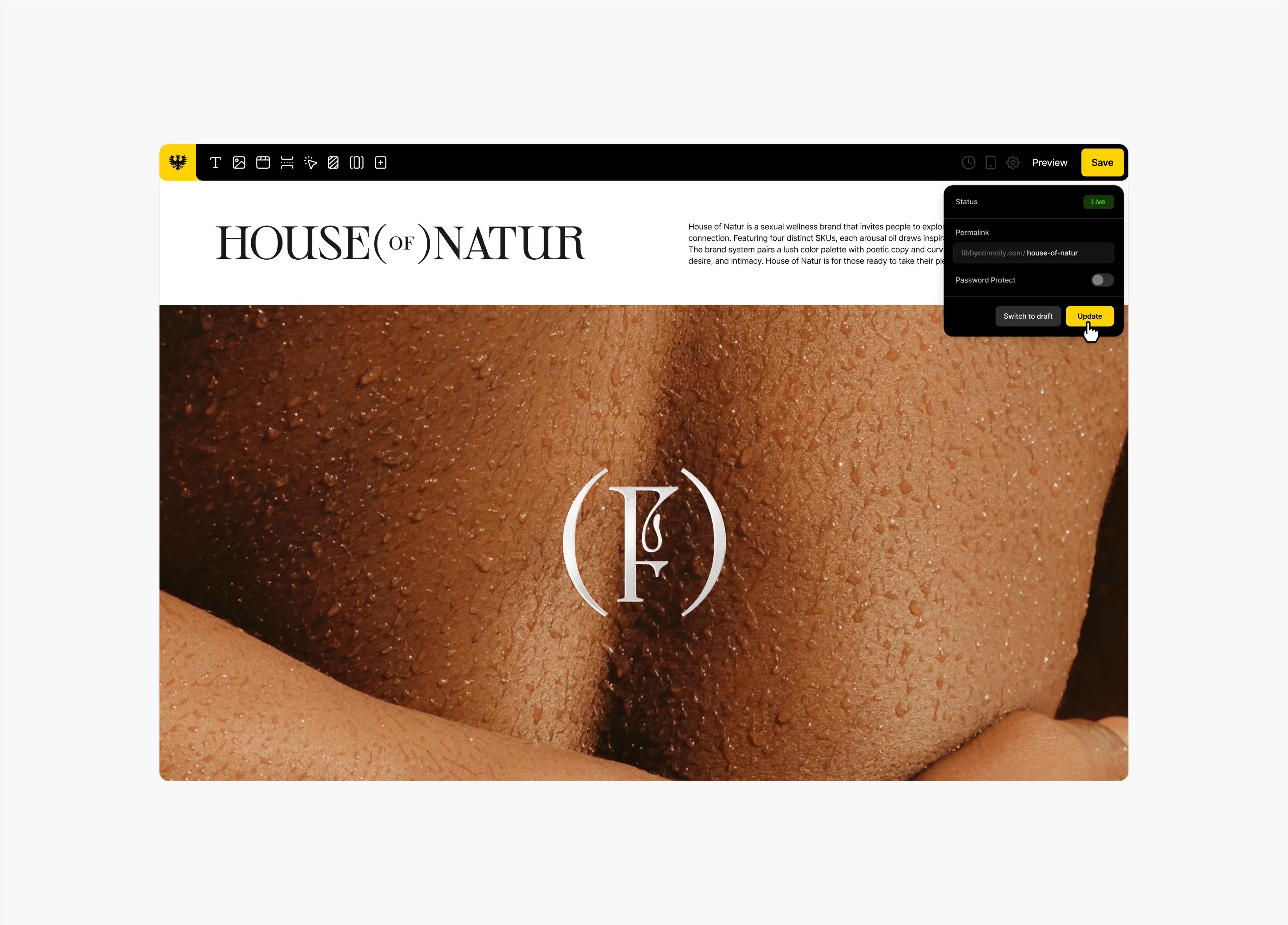
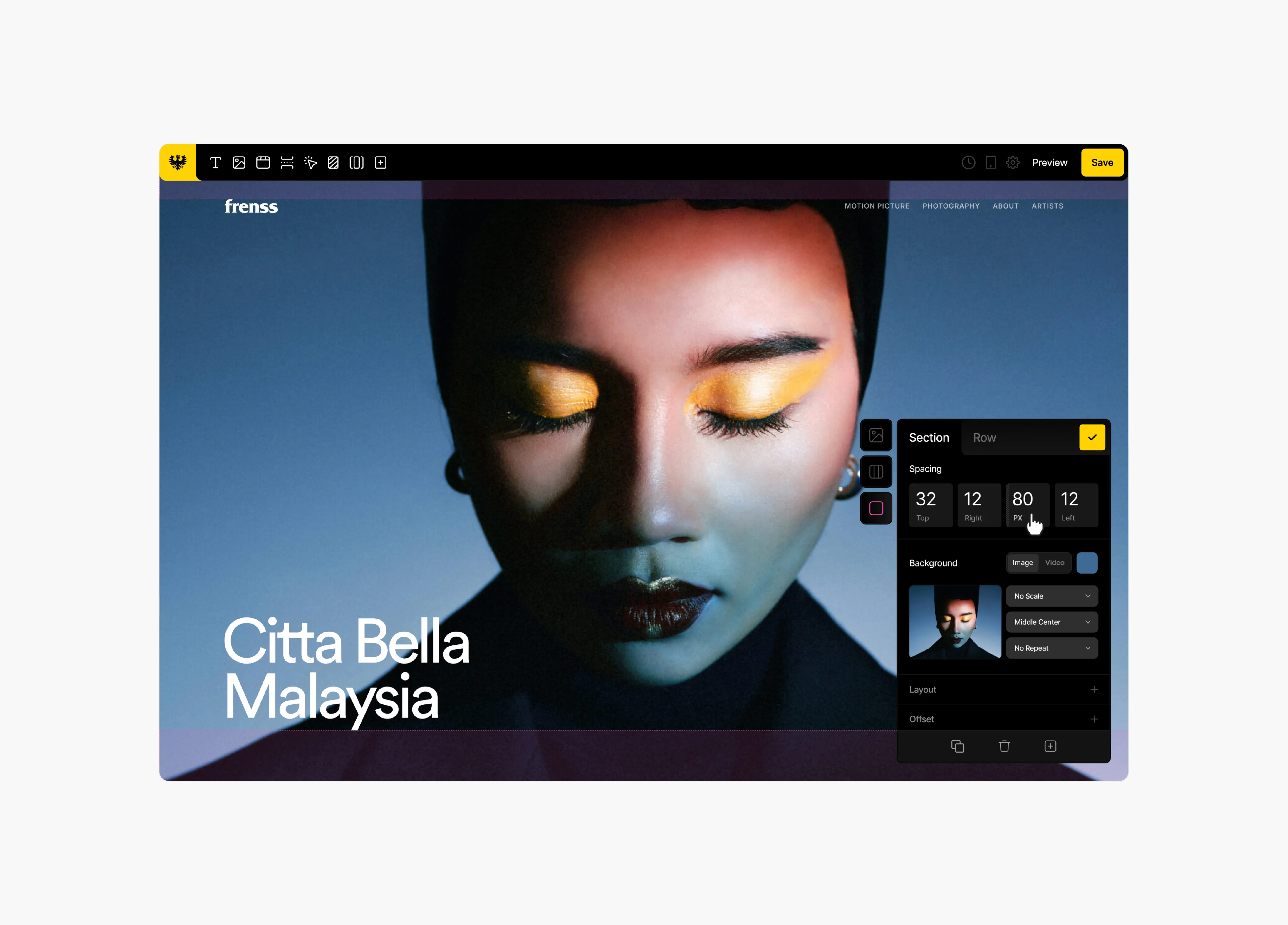
I led product design across key parts of the Semplice experience, including the editor redesign, visual language, typography system, symbols, navigation builder, interaction patterns, and launch surfaces. Rather than treating the product as a template editor, the work focused on shaping a flexible design environment where users could control spacing, hierarchy, type, and structure with precision while WordPress handled the underlying publishing complexity of the portfolio.
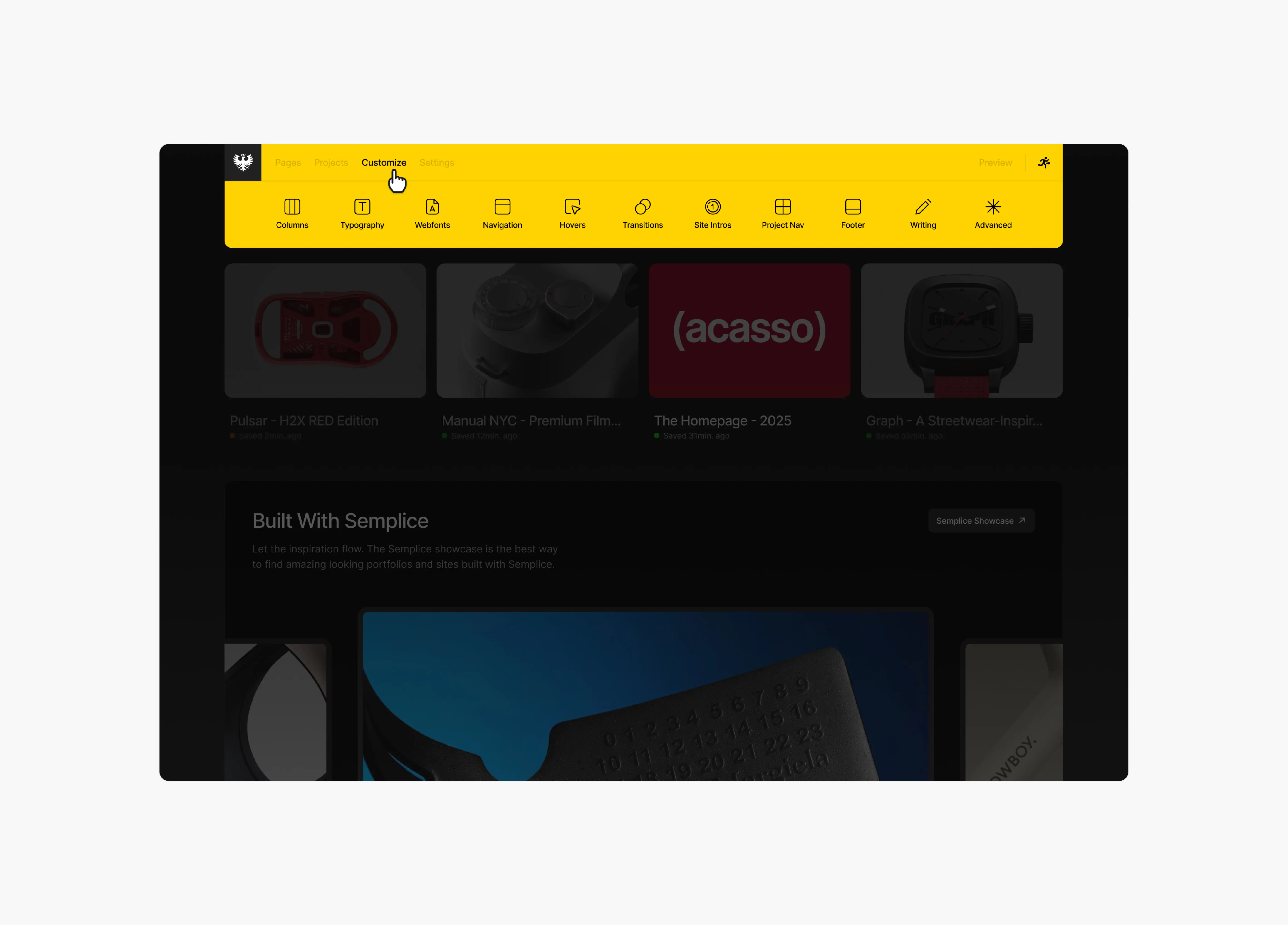
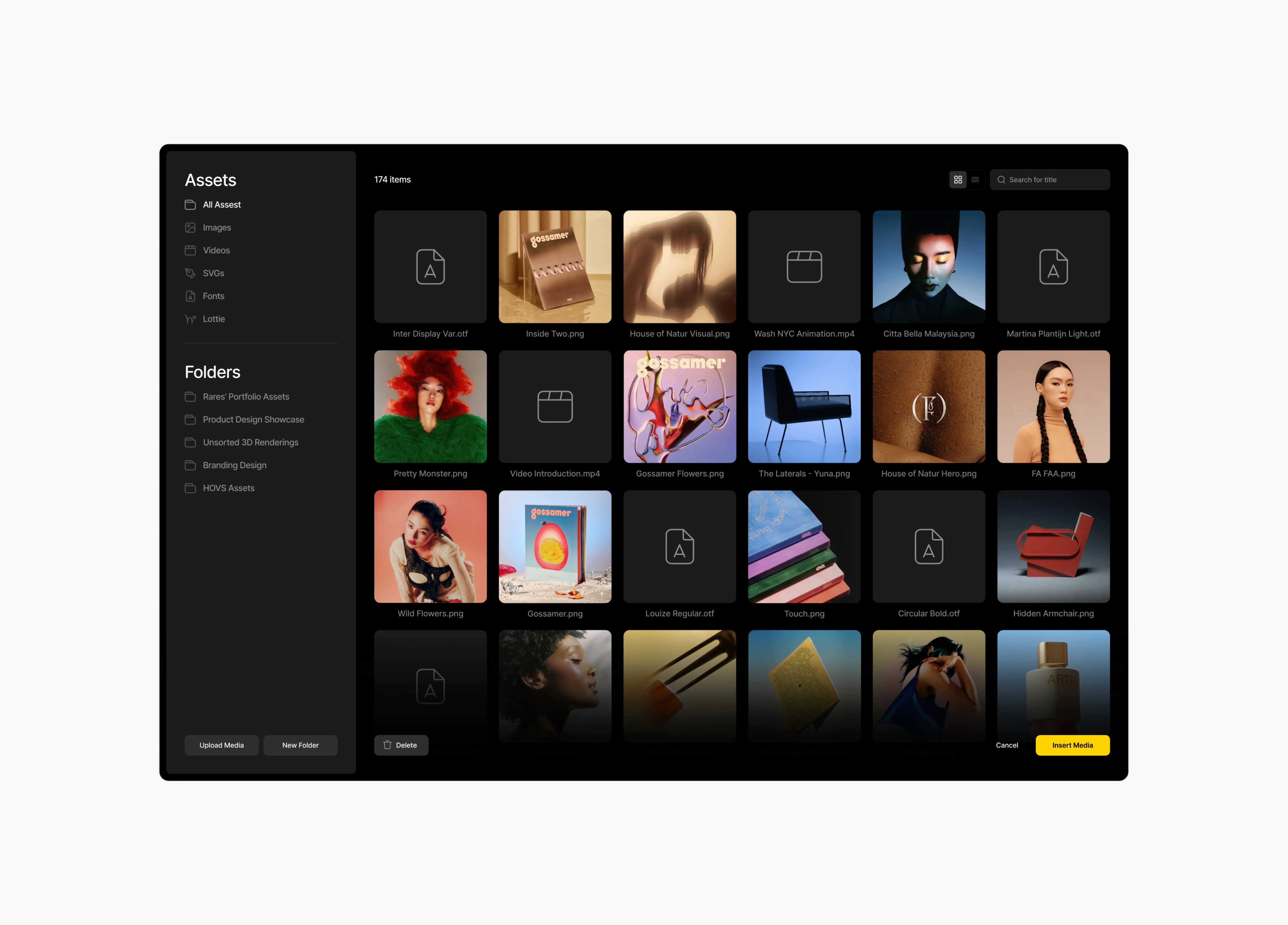
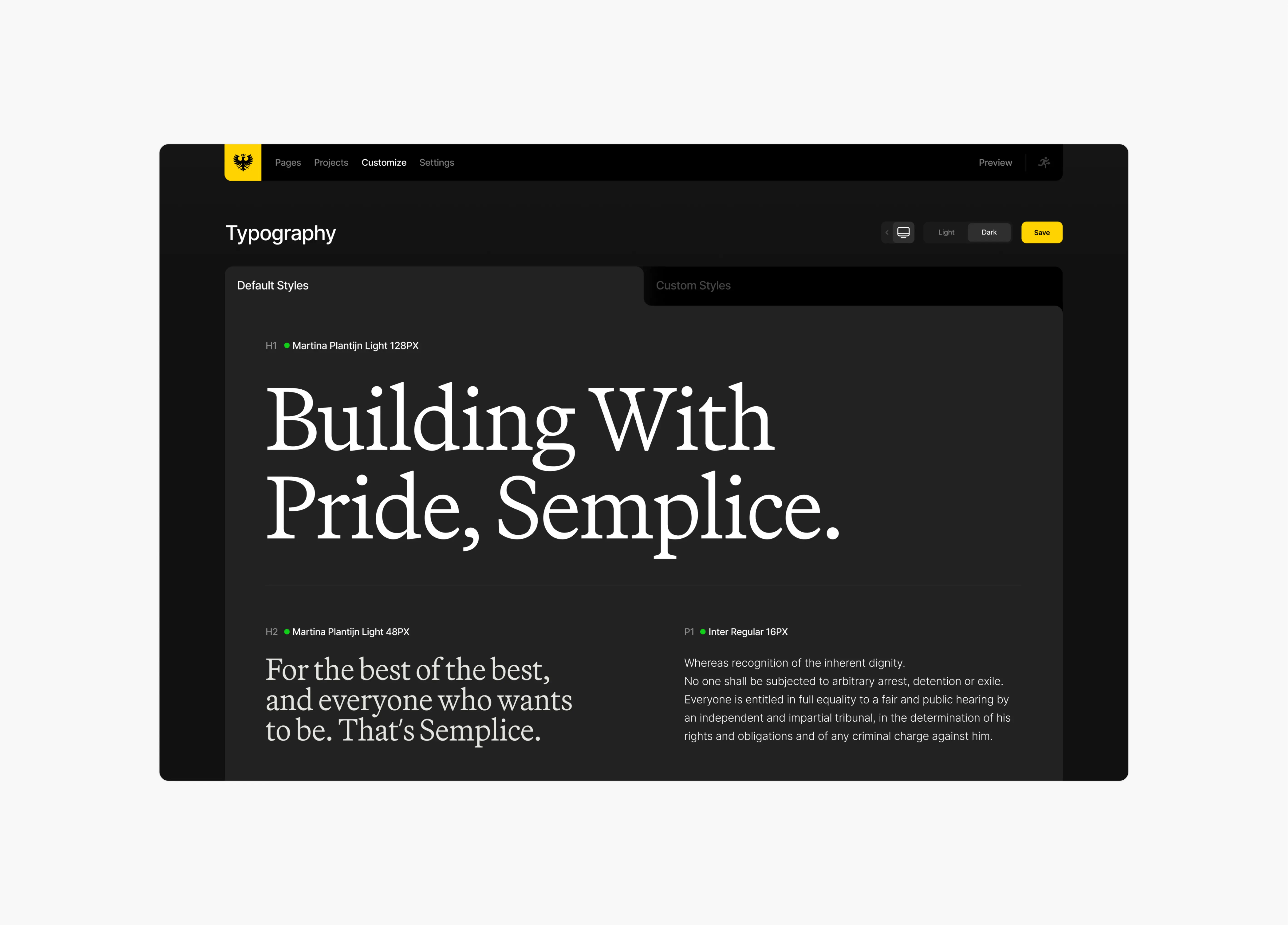
One of my primary initiatives was redesigning the editor experience to make a powerful website-building tool feel clearer and more direct. I also led the design of core editor systems such as symbols, typography, and navigation builder, reframing reusable components, type styles, and site navigation as creative building blocks rather than technical settings. These systems helped designers maintain consistency while still creating distinctive portfolio that tailor experiences to specific projects.
Designing Semplice meant balancing the flexibility designers expect from professional tools with the constraints of building on top of WordPress. The editor needed to work reliably across themes, plugins, hosting environments, and user configurations while still feeling purpose-built for creative professionals. Decisions were informed by designer conversations, support feedback, product principles, and close observation of how people actually build and maintain portfolio websites.
The hardest balance was making the editor feel powerful without making it feel complicated. Advanced functionality had to be available when needed, but the core workflow still needed to feel visual, direct, and efficient. By avoiding generic drag-and-drop conventions, Semplice preserved creative freedom while providing enough structure to guide designers toward polished, intentional, production-ready outcomes.
Takeaways
By approaching the editor as a design environment rather than a traditional CMS, Semplice gives users meaningful control over layout, typography, reusable components, and navigation. The product helps designers turn ideas into published websites without forcing their work into predefined templates or overly technical workflows.
One of the most important lessons was that powerful tools do not need to sacrifice clarity. In Semplice, the strongest design decisions made advanced controls feel more understandable, helping users move from intention to execution with less friction.
The platform also strengthened my ability to design within technical constraints. WordPress introduced real complexity, but the product experience still needed to feel sharp, flexible, and made for designers.
Being part of a small, focused team, my design work directly impacted the shape and evolution of the editor, visual language, and core creative systems in Semplice. The result is a portfolio-building platform used by designers and studios worldwide, showing that professional creative tools can be powerful, expressive, and approachable at the same time.
Credits
Creative Direction: Tobias van Schneider
Engineering: Michael Schmidt