
Mymind Mobile · Snapshot
Led product design for Mymind’s mobile experience, shaping information capture, retrieval, discovery, and interaction patterns for a global user base. Translated AI into a calm, privacy-first companion that makes ideas effortless to save, search, and rediscover from anywhere without feeds, notifications, dashboards, or manual organization.
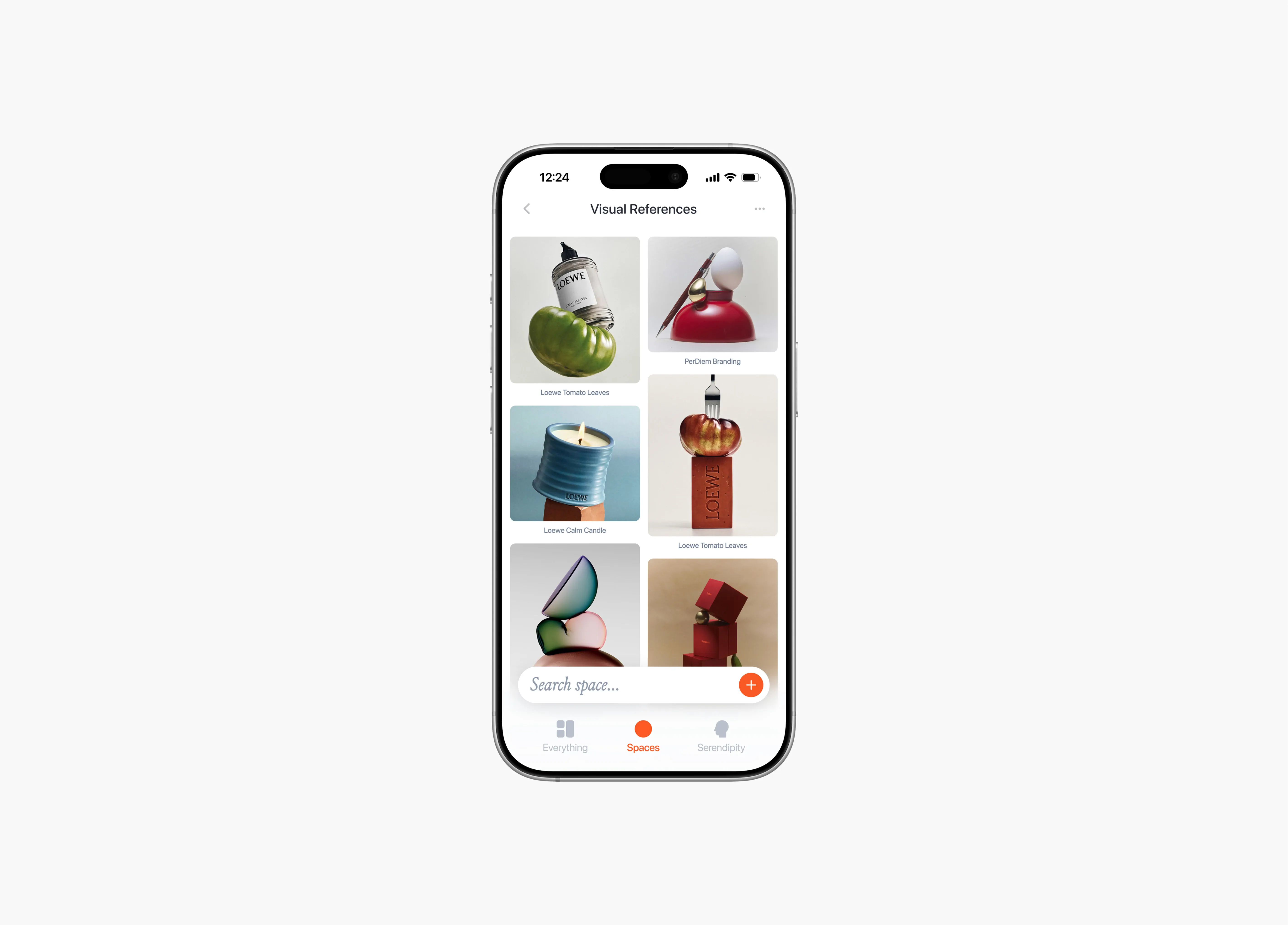
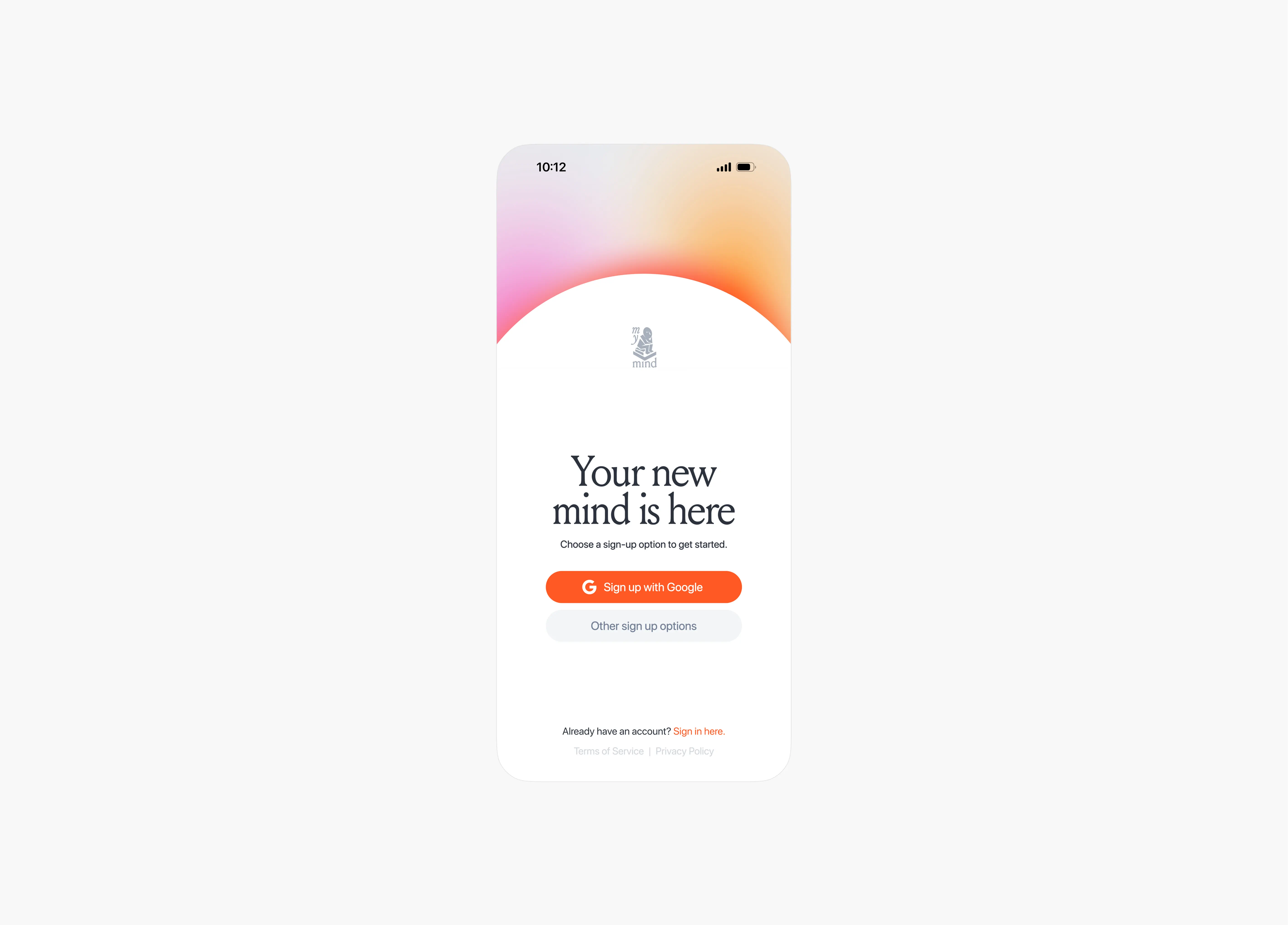
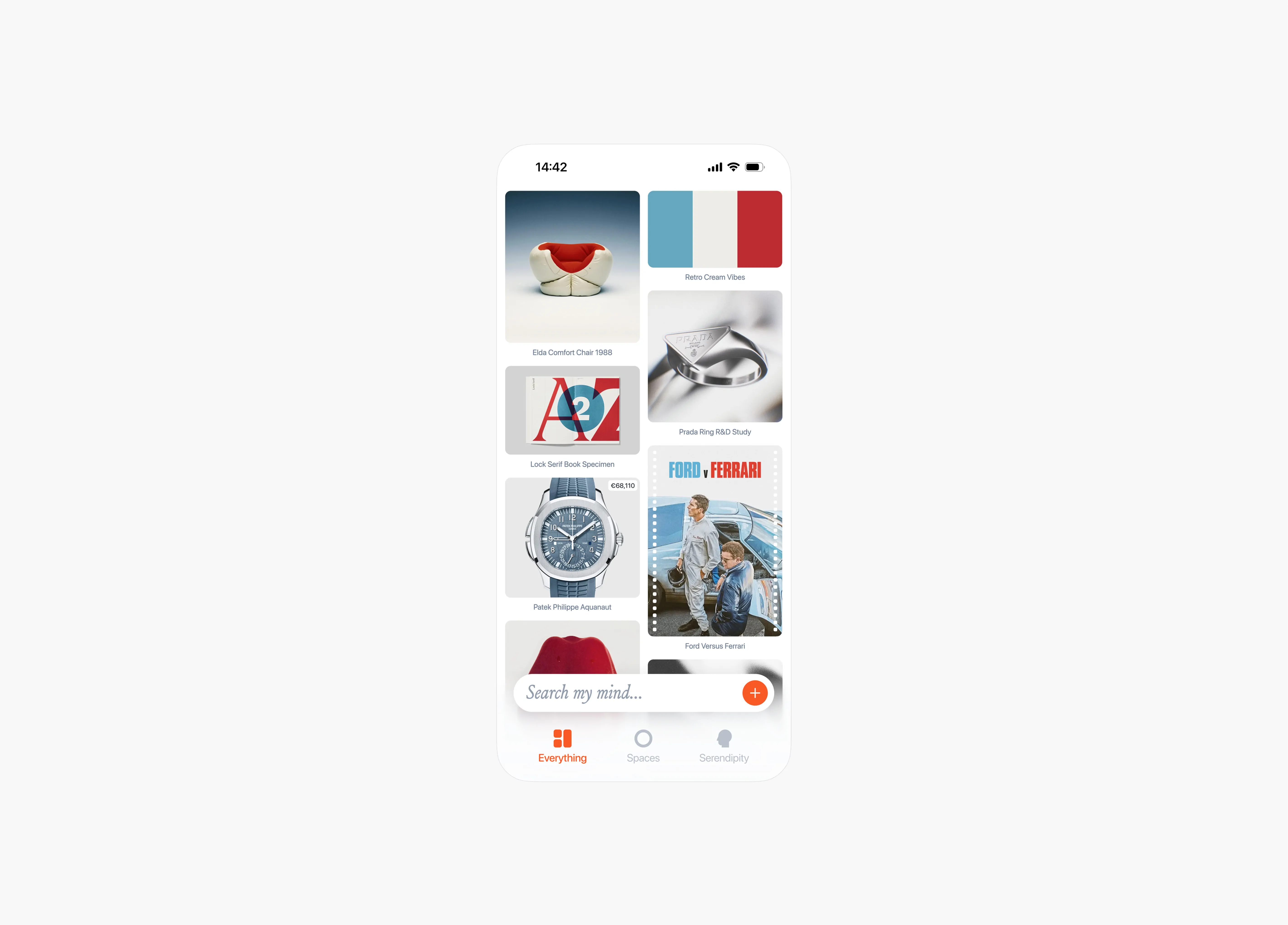
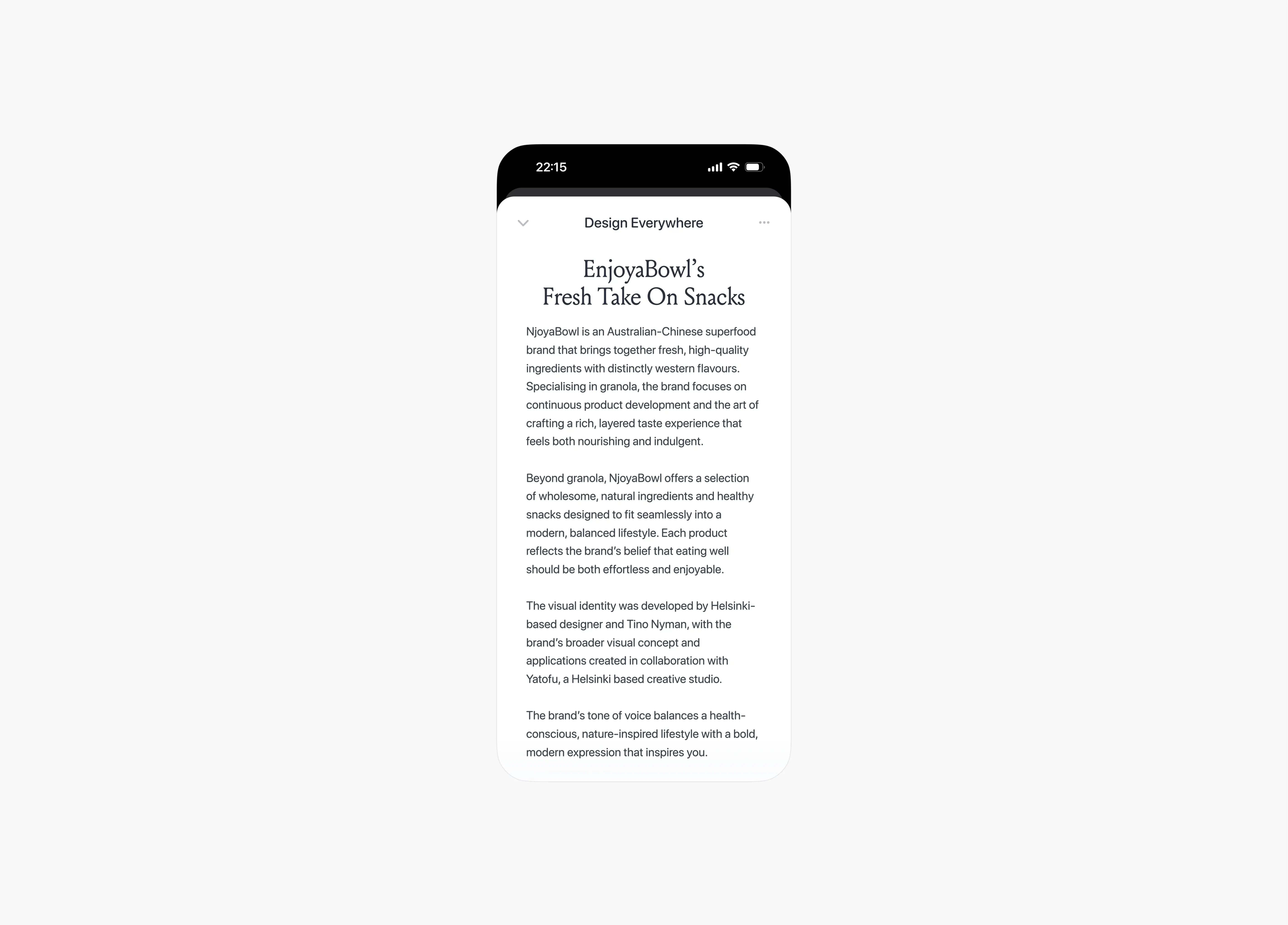
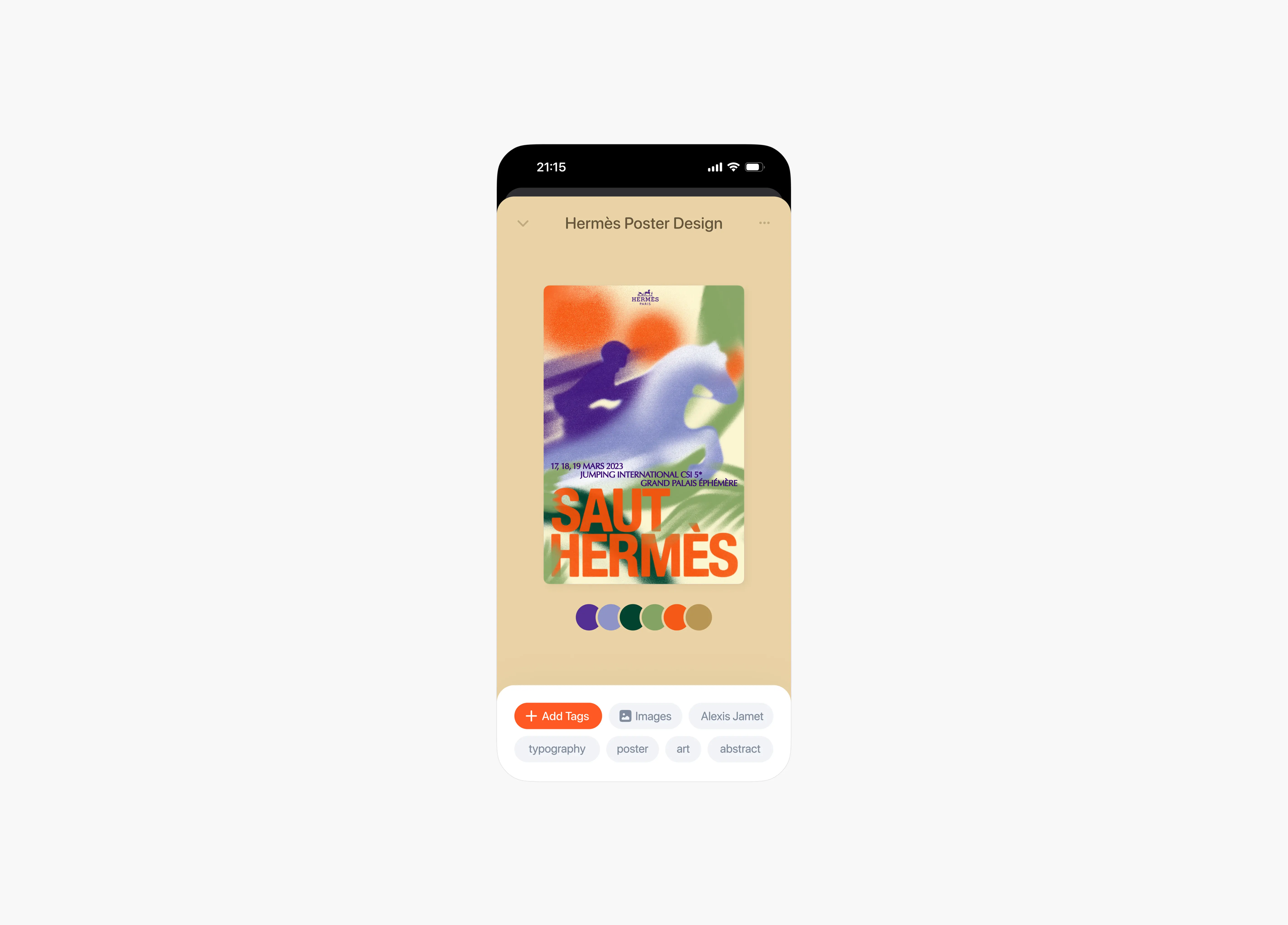
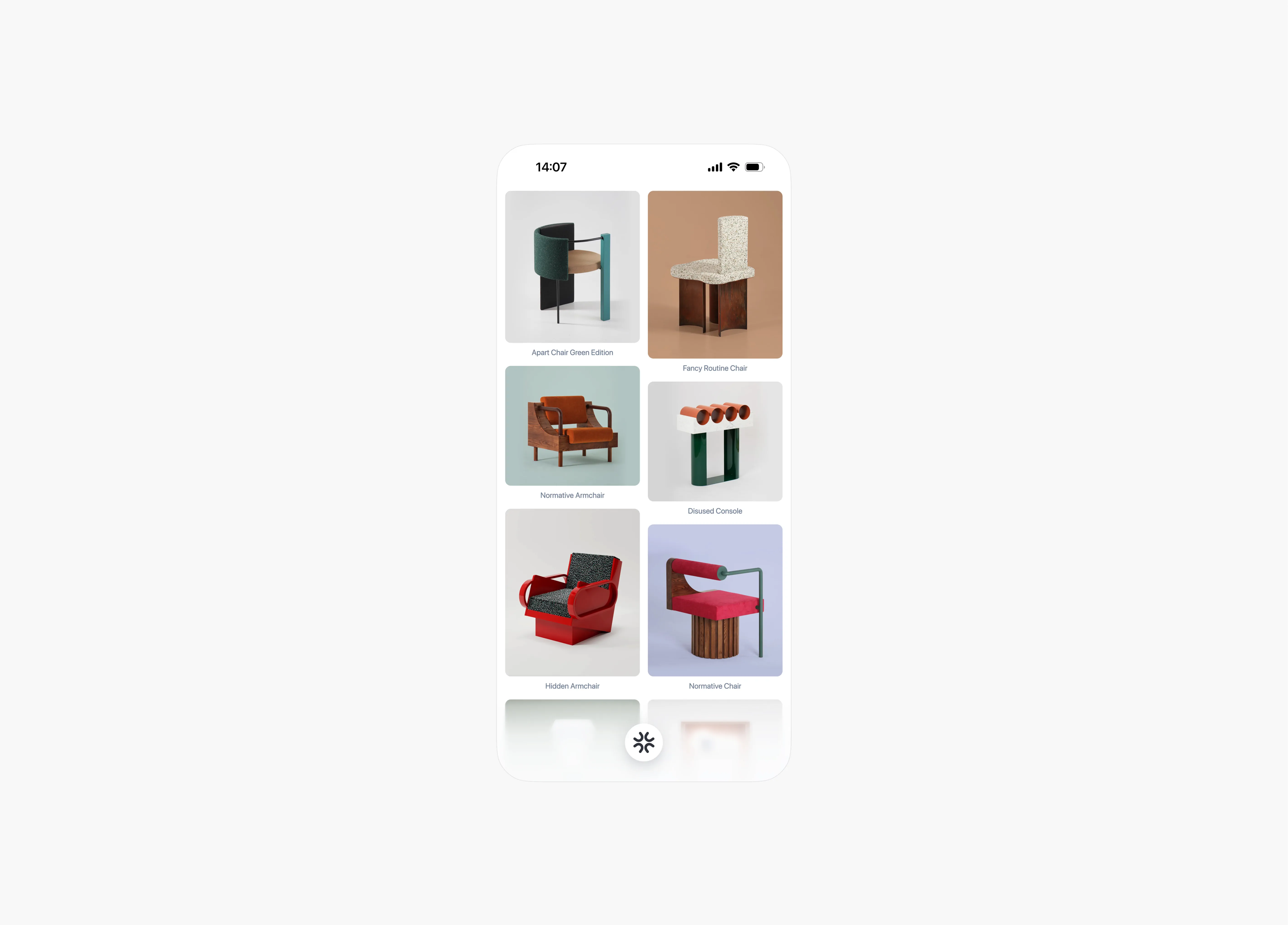
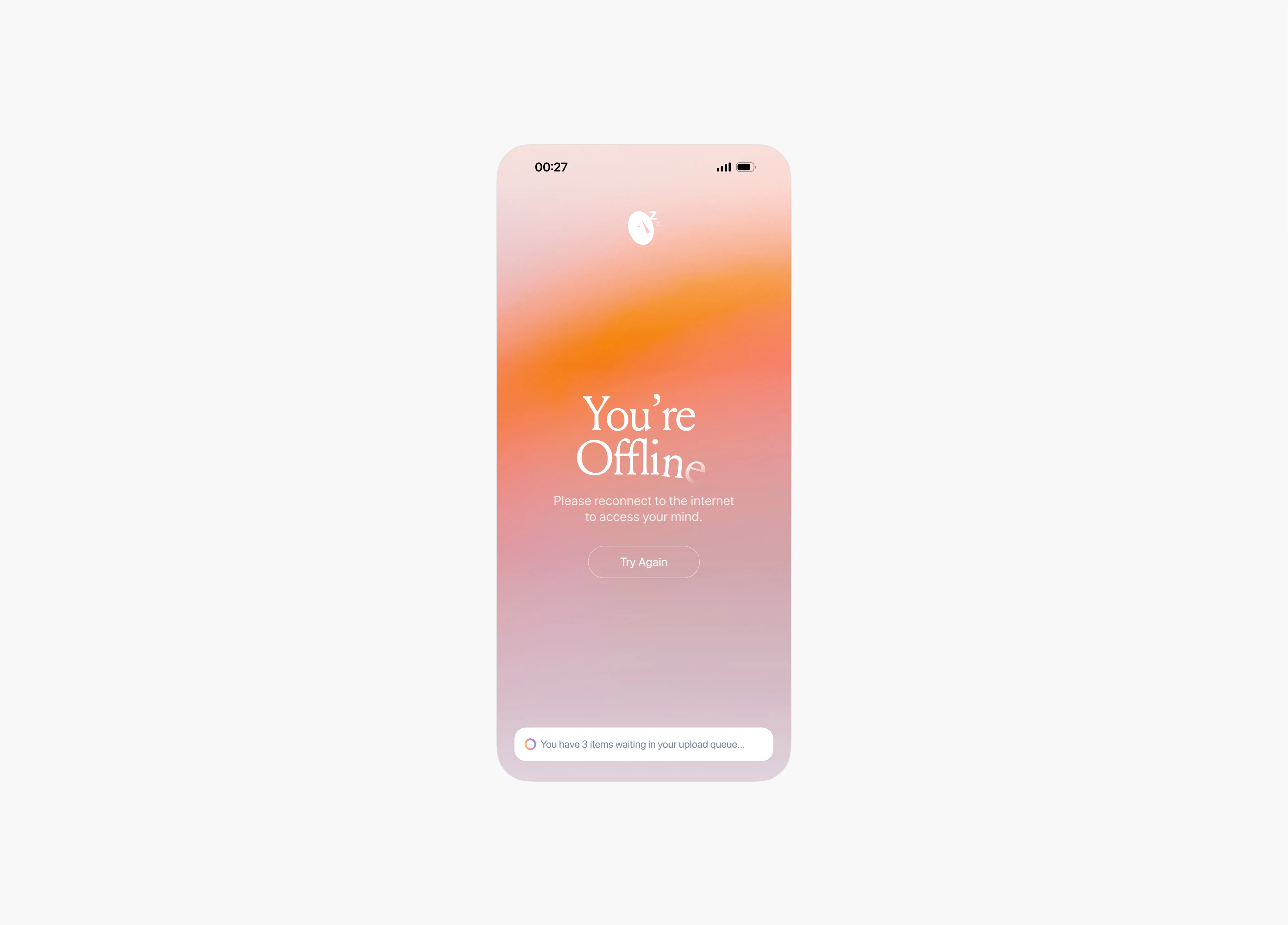
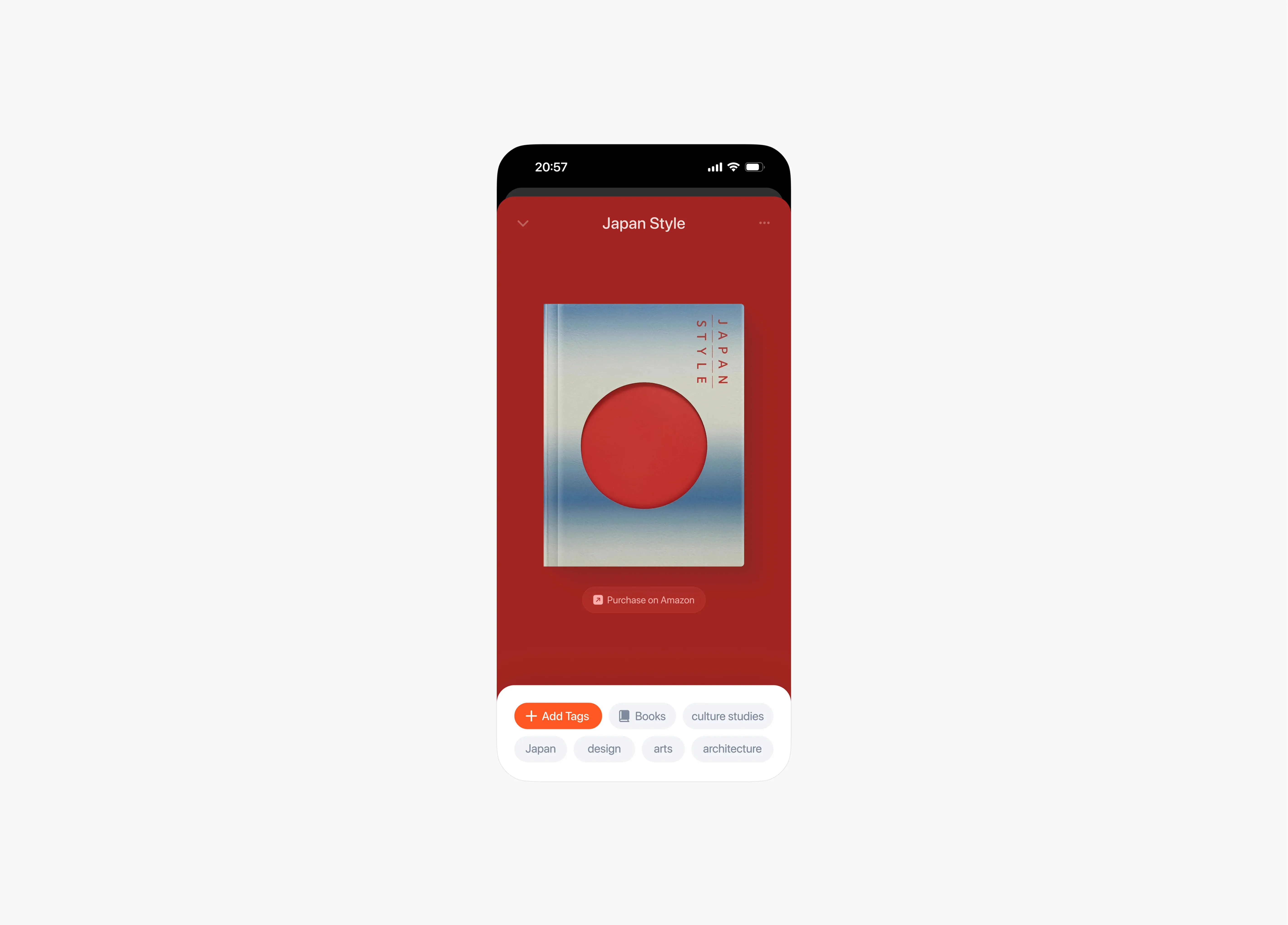
Deep Dive
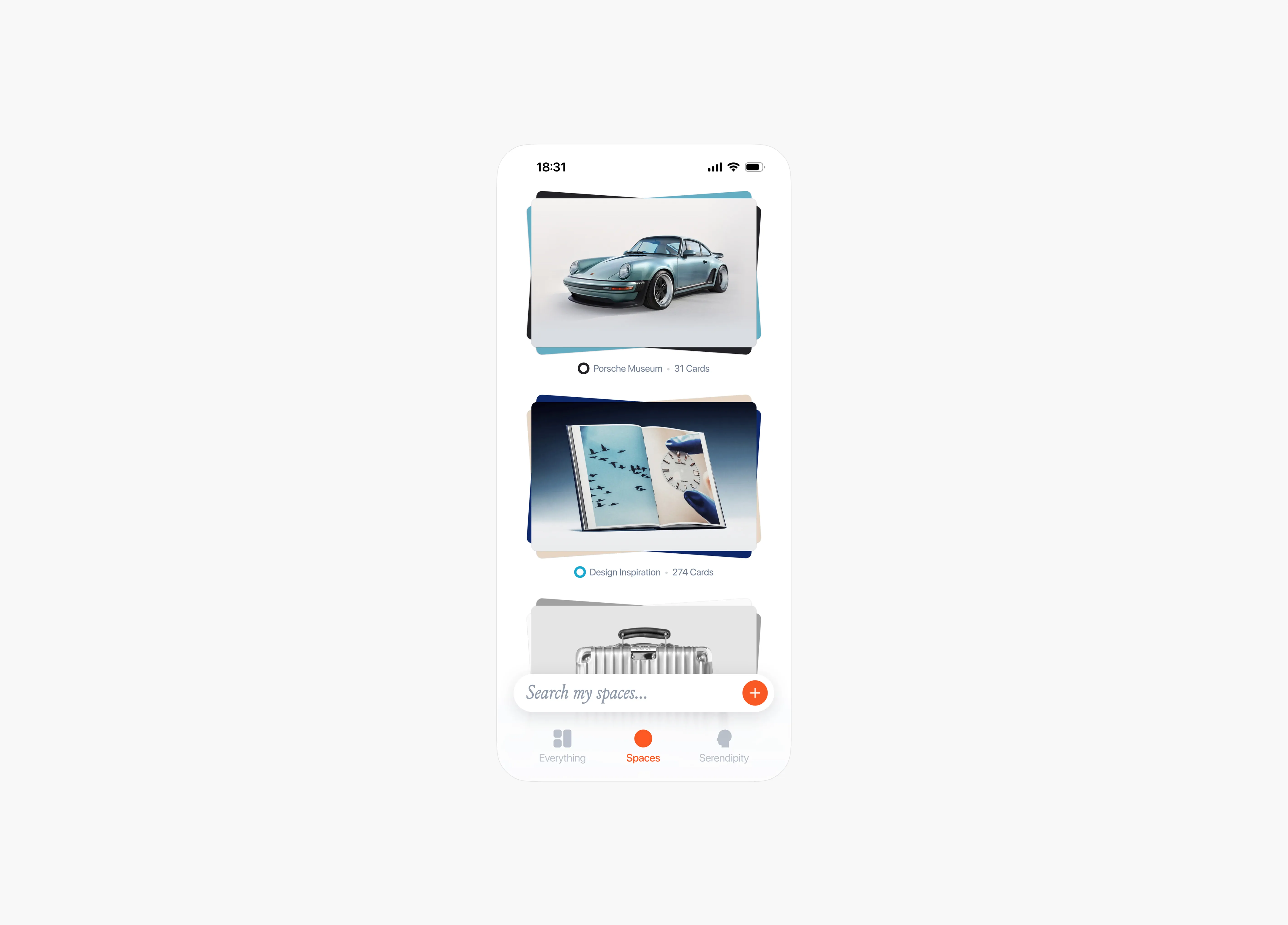
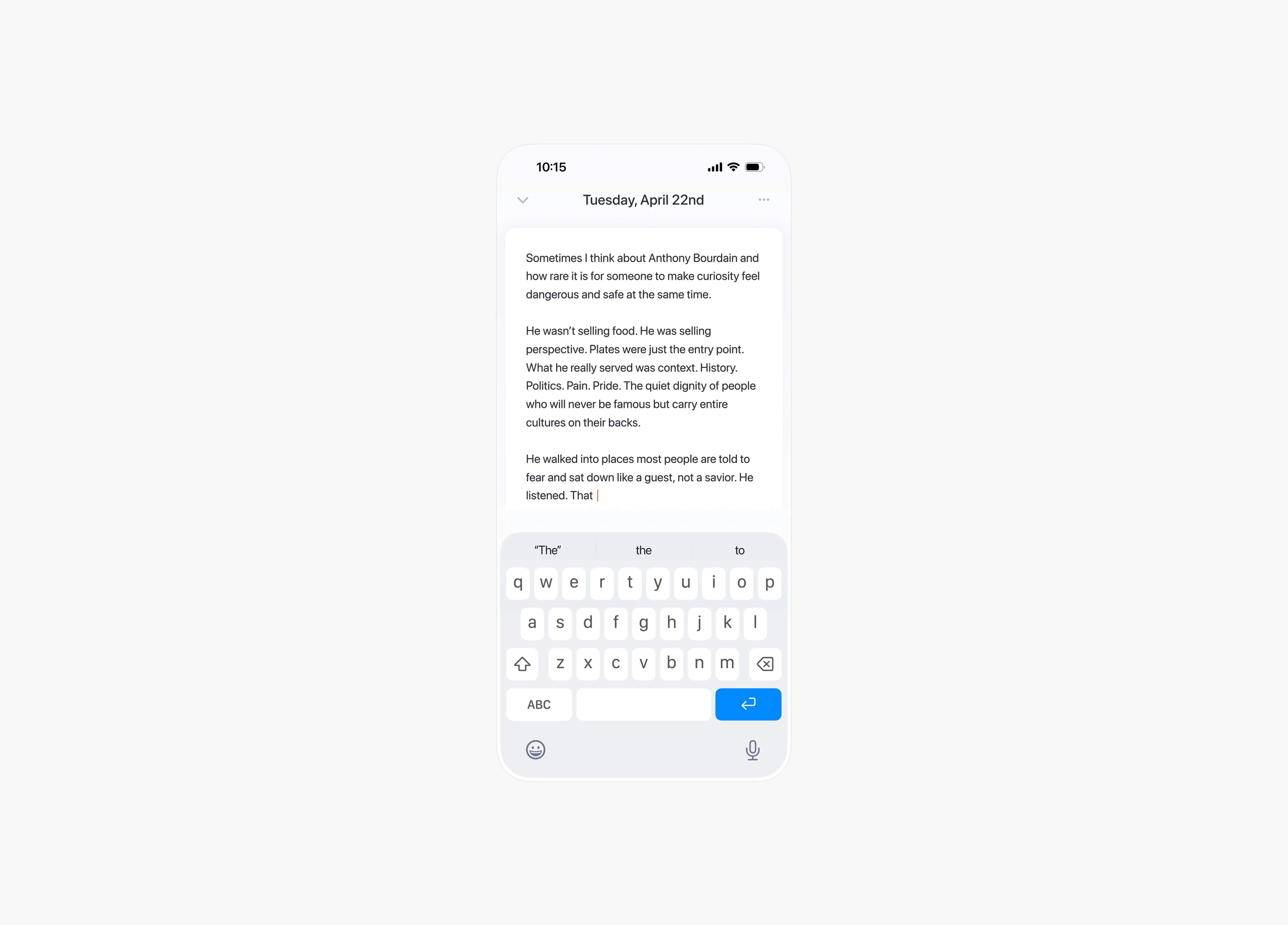
Capturing inspiration often happens outside structured work environments, in quick moments where speed, clarity, and trust matter most. People save ideas while reading, browsing, walking, working, or moving between tasks, which means the experience needs to feel immediate without adding friction. Mymind Mobile was designed around those moments, helping notes, images, links, references, and ideas get saved quickly and rediscovered naturally later.
I led product design across key parts of the mobile experience, including capture flows, retrieval patterns, discovery systems, interaction details, and ongoing product refinements. Rather than compressing the desktop product into a smaller screen, the work focused on shaping a companion experience built around immediacy, memory, and lightweight discovery, making the product useful in seconds wile on the go.
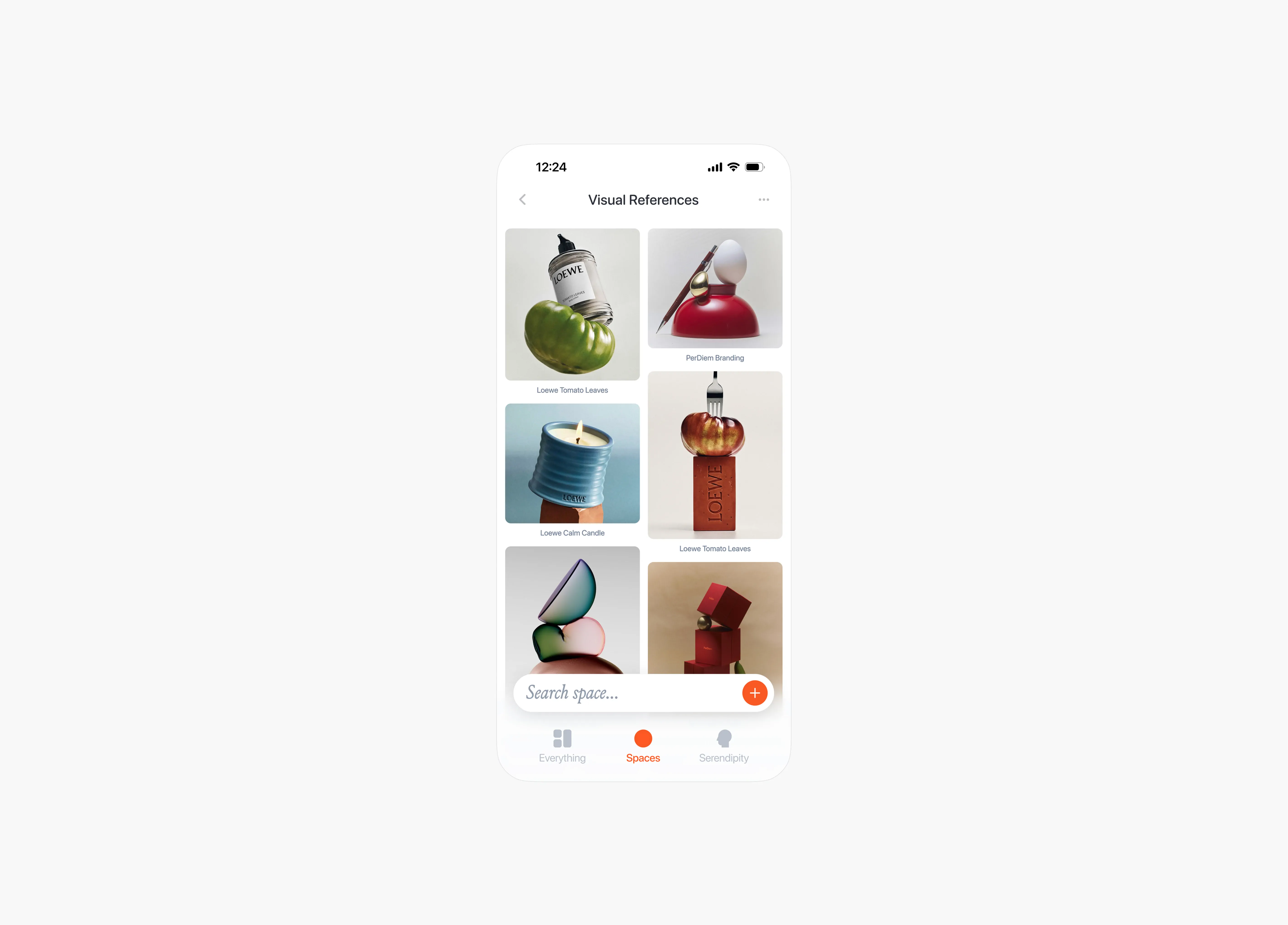
One of my primary initiatives was defining how mobile should support the actions that matter most on the go: saving quickly, searching easily, revisiting ideas, and surfacing relevant connections. I also led the exploration of mobile-native discovery mechanisms such as SameVibe and contextual Spaces, which turn individual references into connected clusters of ideas, helping people reveal visual patterns, shared attributes, and related inspiration without browsing folders or maintaining a hierarchy.
Designing Mymind Mobile meant working within constraints very different from web and desktop. Screen space is limited, attention is fragmented, and interaction time is often short. Product decisions were guided by qualitative feedback, long-term user conversations, product principles, and careful observation of how people captured and returned to inspiration throughout their day. Every interaction had to earn its place, from natural thumb reach to retrieval behaviors that felt obvious without adding controls or structure.
The hardest balance was making the app feel powerful without making it feel heavy. Mobile had to extend the intelligence of Mymind while remaining fast, focused, and effortless in the moments where inspiration appears. By avoiding feeds, badges, urgency loops, notifications, and social comparison, the experience encourages curiosity and return through usefulness rather than interruption or pressure.
Takeaways
By prioritizing immediacy, calmness, and user ownership, Mymind Mobile creates a different relationship between people and their digital knowledge. The product does not ask users to manage information while they are on the go. It gives them a lightweight way to capture what matters and return to it when it becomes useful.
One of the most important lessons was that strong mobile experiences often come from removing, not adding. In Mymind, the best decisions made the app feel more focused, giving users access to capture, search, and discovery without turning the interface into a smaller version of the desktop product.
Saved content becomes more valuable over time as the system surfaces relationships between ideas and helps collections feel accessible rather than fragmented. This required designing for repeated everyday use, not just isolated moments of capture.
The project also strengthened my ability to design across platforms with different constraints. Mobile needed to feel connected to the wider Mymind ecosystem while still respecting the speed, ergonomics, and attention patterns of phone-based use.
As part of a small, focused team, my design work directly shaped the evolution of the mobile product across capture, retrieval, discovery, and interaction systems. The result is a calm, privacy-first companion experience used by a global audience, showing that mobile products can encourage return through usefulness rather than interruption.
Credits
Creative Direction: Tobias van Schneider
Engineering: Jason Nelson, Michaël Garcia, Francisco Franco